
The search for Africa’s Super Tuskers Kenya - June 2026
We have just returned from a truly extraordinary safari in search of Africa’s last great tuskers—and what an adventure it turned out to be. Thanks to decades of successful conservation efforts, Kenya is home to more than half of Africa’s remaining big tusker elephants.
Our journey focused on the country’s most productive regions for finding these living legends, and they did not disappoint. We were privileged to spend time with several magnificent individuals and even encountered a few (emerging?) "super tuskers"—the giants carrying some of the largest ivory left on the continent.
While these iconic elephants were central to the heart of our safari, the experience extended far beyond the tuskers themselves. Our route took us deep into some of Kenya’s lesser-travelled wild places in search of the country's most unique and sought-after wildlife. Along the way, we enjoyed memorable encounters with Striped Hyena, Gerenuk, Lesser Kudu, Grant’s and Thompson’s Gazelles, Fringe-eared Oryx, Coke’s Hartebeest and the critically endangered Hirola—Africa’s rarest antelope. These special sightings were complemented by healthy populations of lion, leopard, cheetah, zebra and giraffe.
The wildlife diversity was exceptional. During the Kenya portion of the safari alone, we recorded an impressive 34 mammal species and just under 200 bird species. Following recent rains, the landscape was alive with colour, activity and abundance. Vast flocks of Red-billed Queleas, numbering in the hundreds of thousands, moved across the savanna like living clouds, attracting a host of predators eager to take advantage of the seasonal bounty. As water sources gradually recede and the seasons shift, the timeless rhythms continue to shape the lives of the wildlife that call these remarkable landscapes home, and so our timing at the change of season was a slight gamble that paid off!
This carefully curated journey was shared with longtime guests and friends, Dick and Arleen from Los Angeles, whose enthusiasm, curiosity and passion for wildlife were central to making this happen. Operating from Tsavo—the legendary land of the man-eaters featured in The Ghost and the Darkness—and Amboseli, the quintessential East African safari destination beneath Kilimanjaro, we enjoyed an unforgettable mini expedition.
Scroll down to enjoy the full trip report, complete with photographs and field notes from an unforgettable adventure!
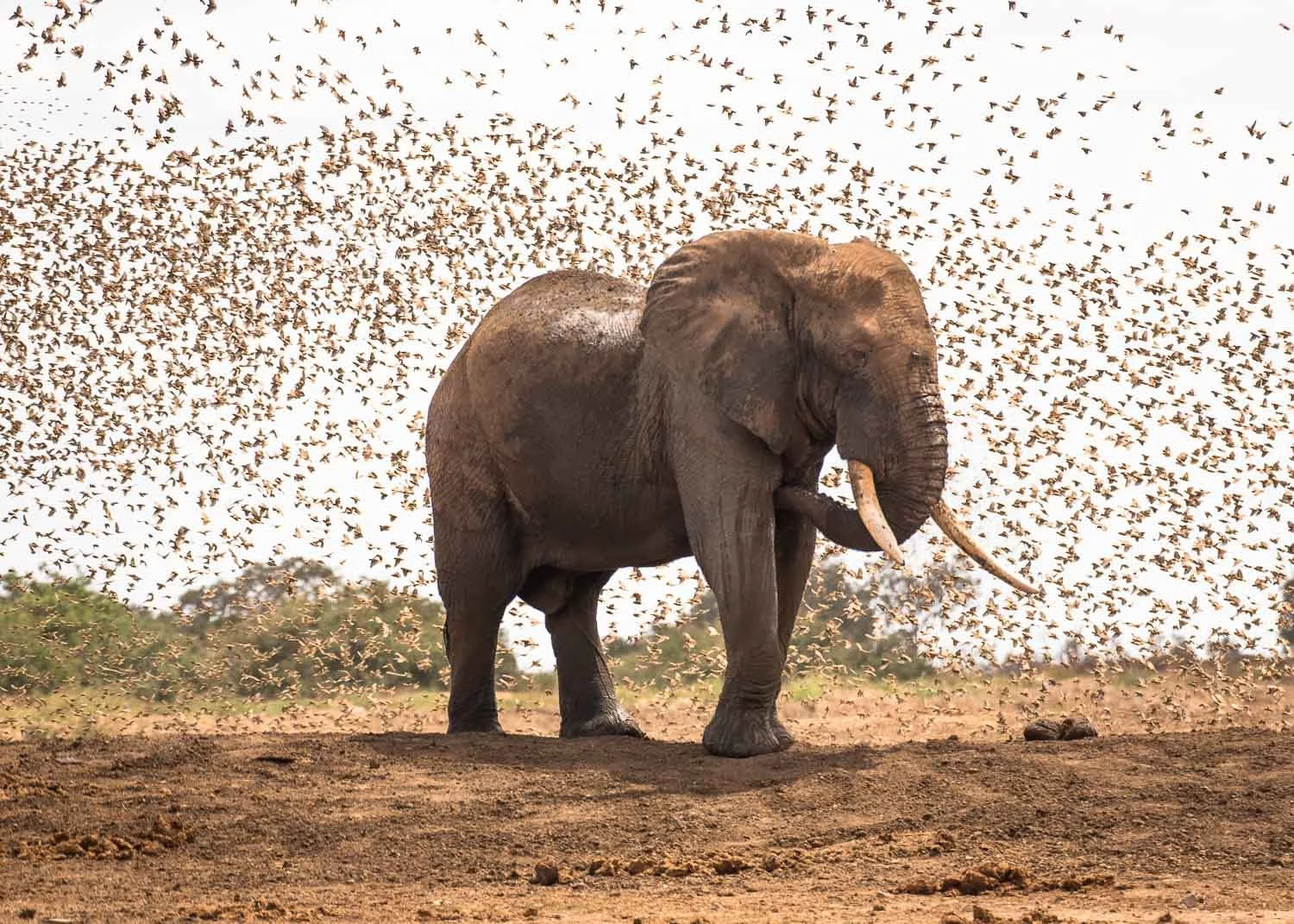
What a welcome to our safari. From camp, we marvelled at the huge numbers of red-billed queleas and with an elephant at the centre of it all - what a moment!
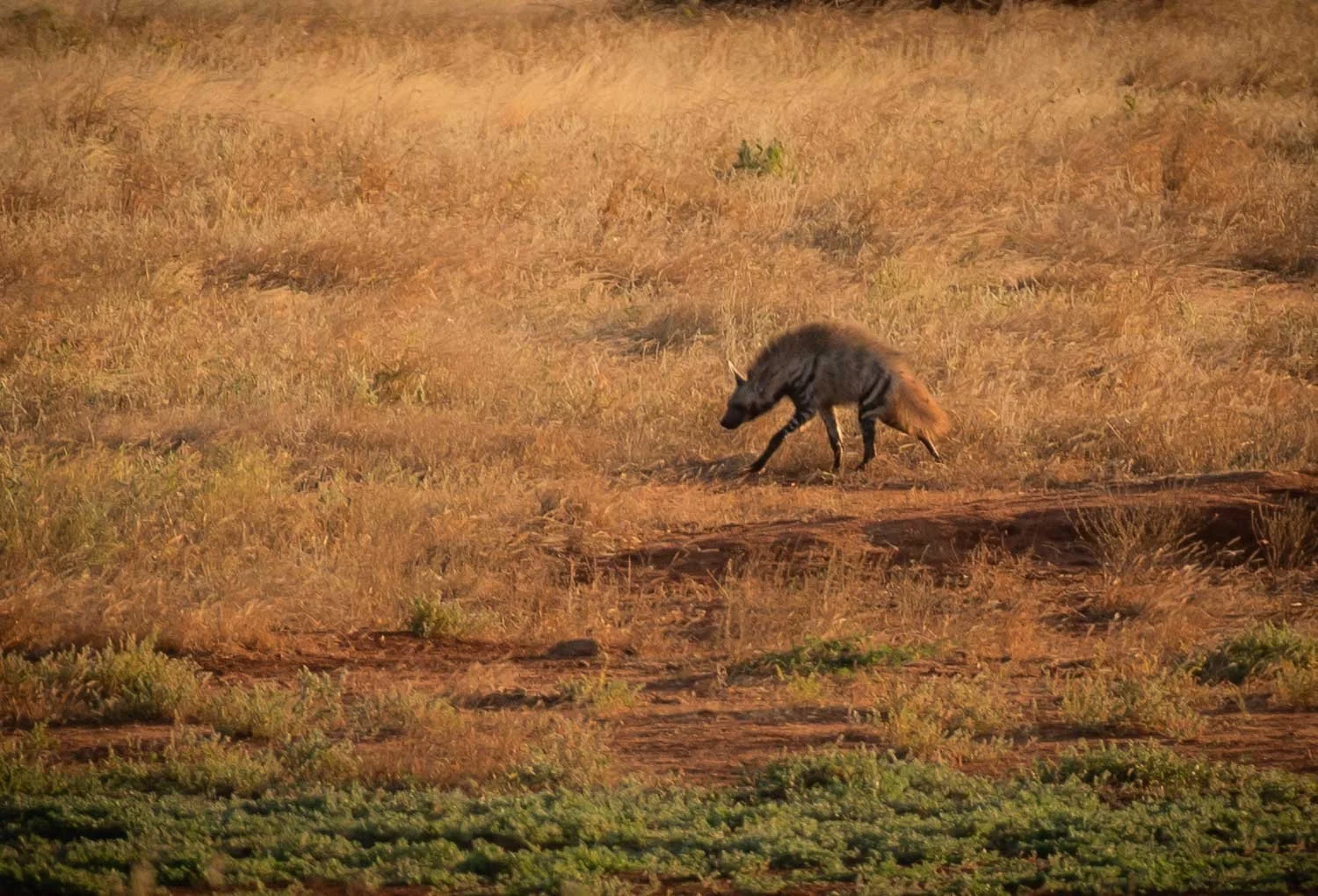
Finally get to lock eyes on a striped hyena - this one made a rare appearance during the day on our first afternoon.
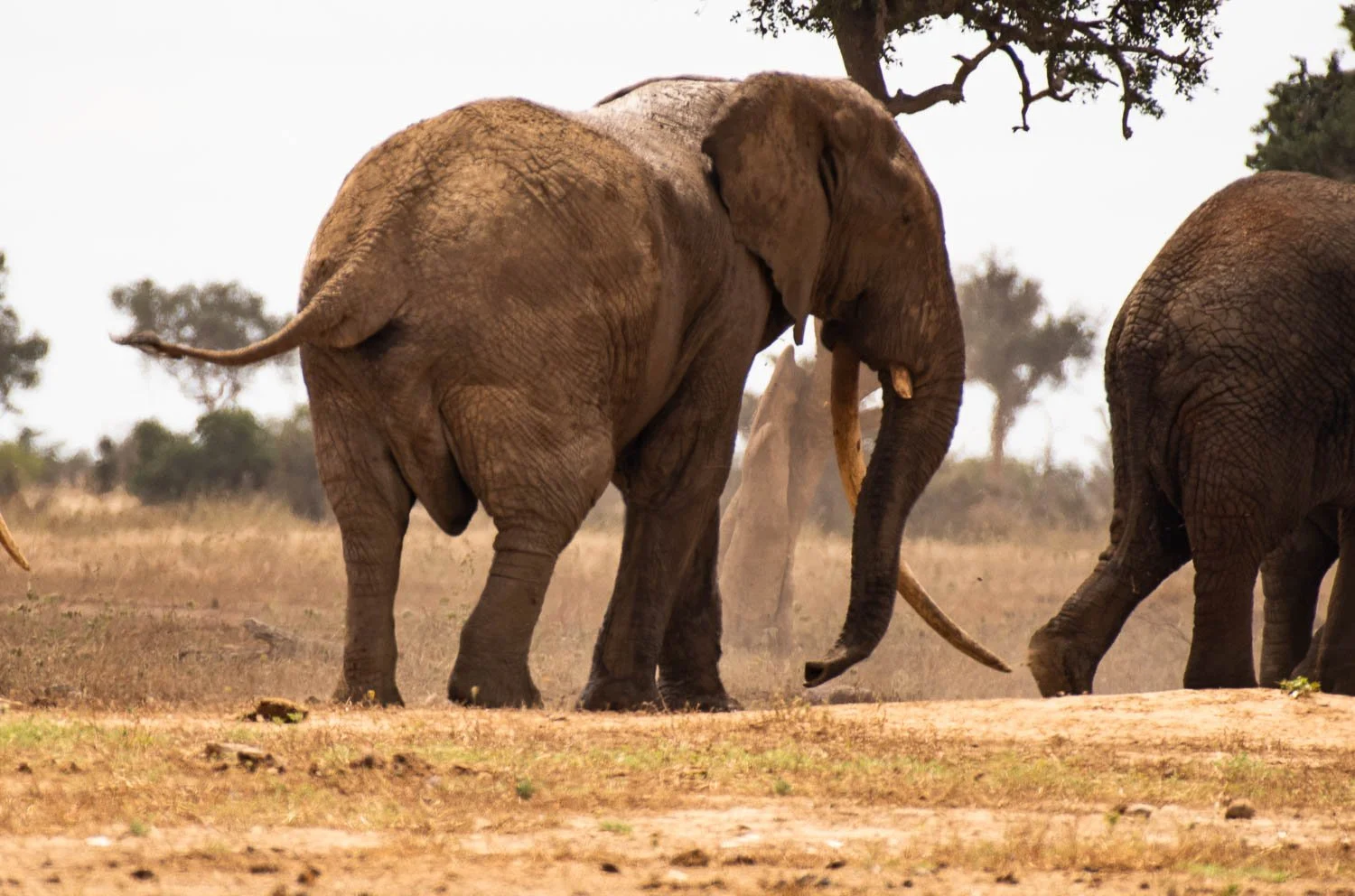
To me, this big elephant was a candidate for our first super tusker? Even with one tusk, you cannot argue about how impressive this big boy is.
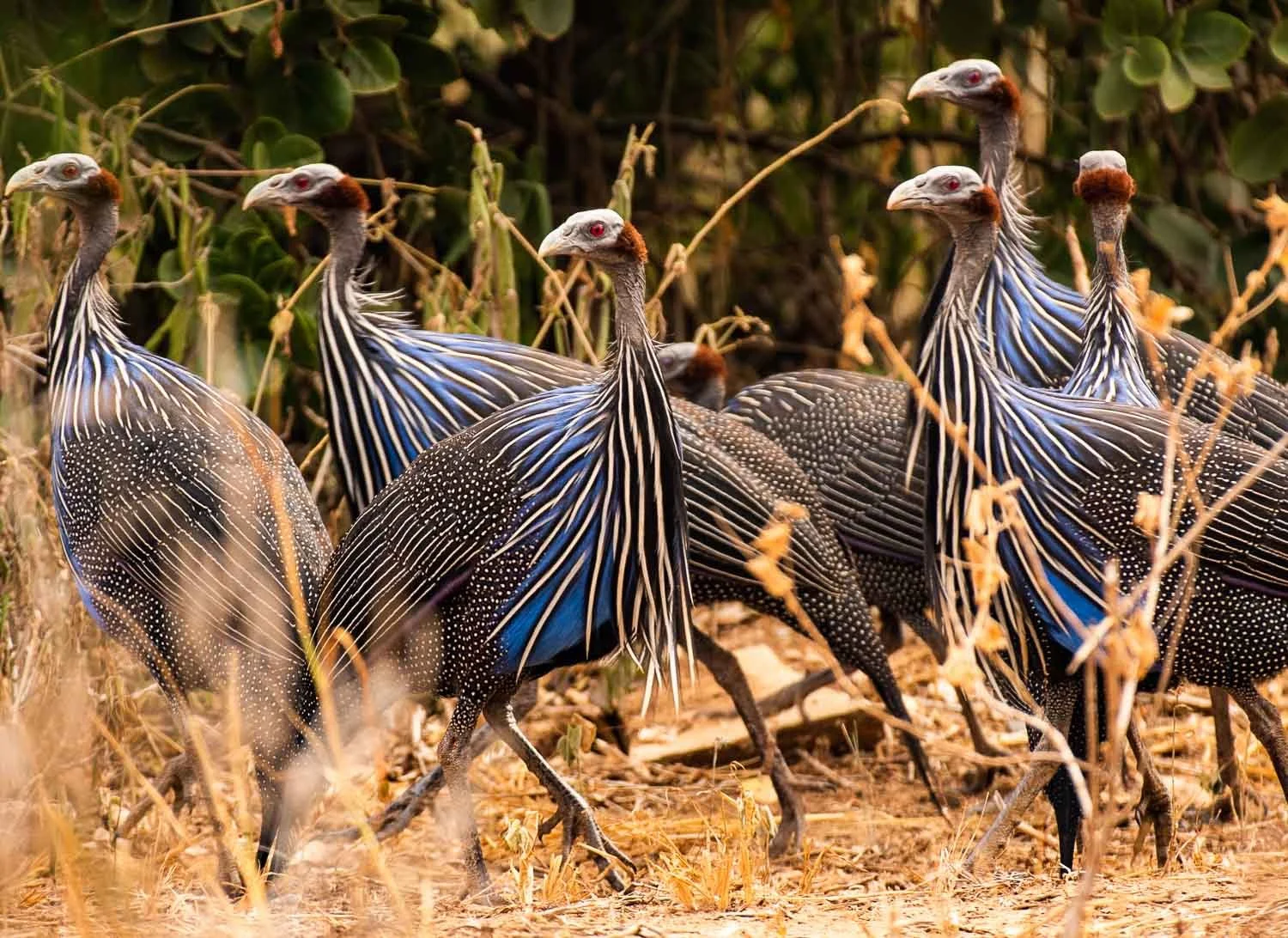
In the Tsavo East area, you find some weird and wonderful species like the Vulturine Guineafowl.
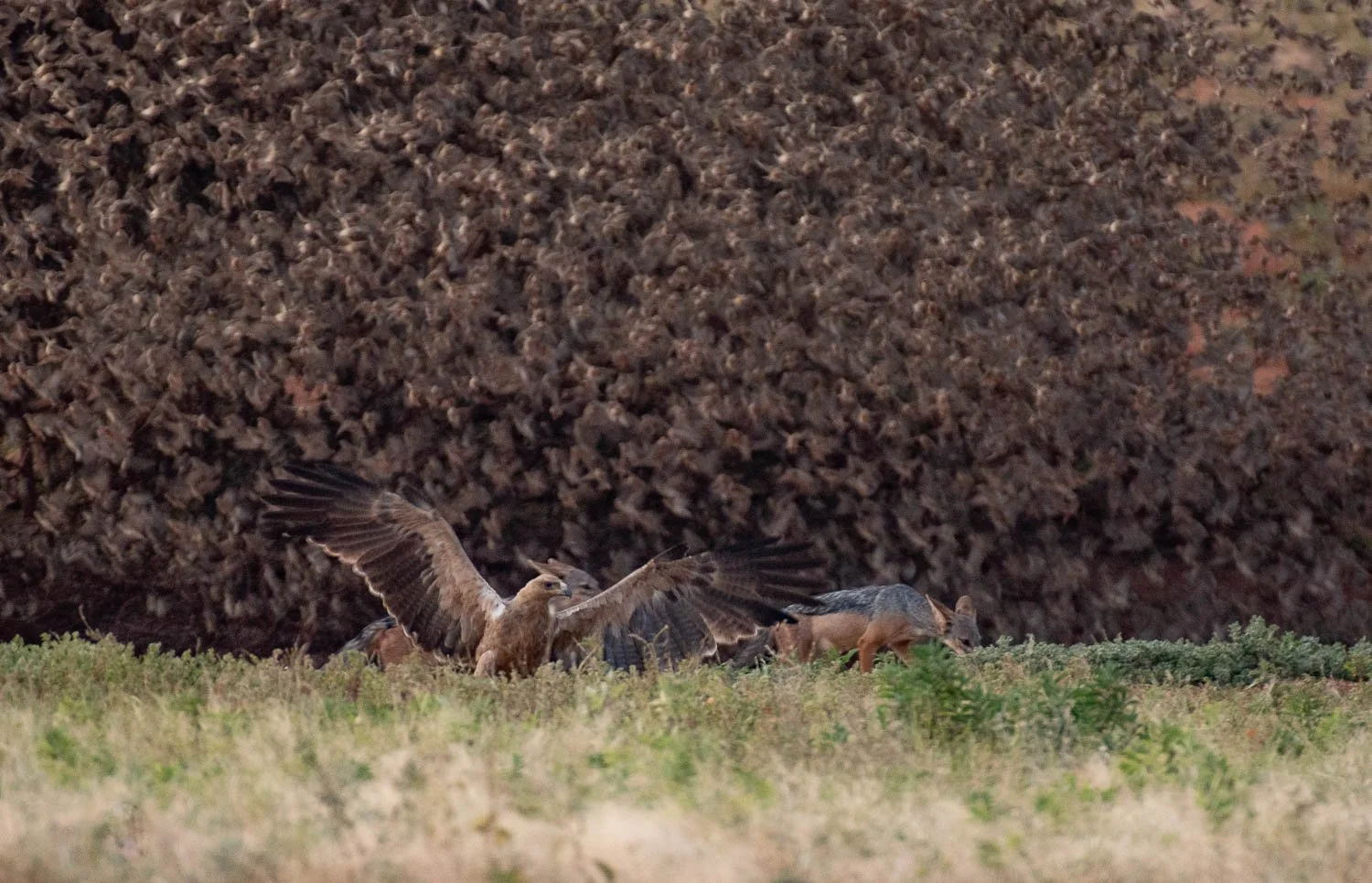
A wall of queleas. At this waterhole, there must have been a convergence of numbers into the millions! Tawny’s and jackals obliged.
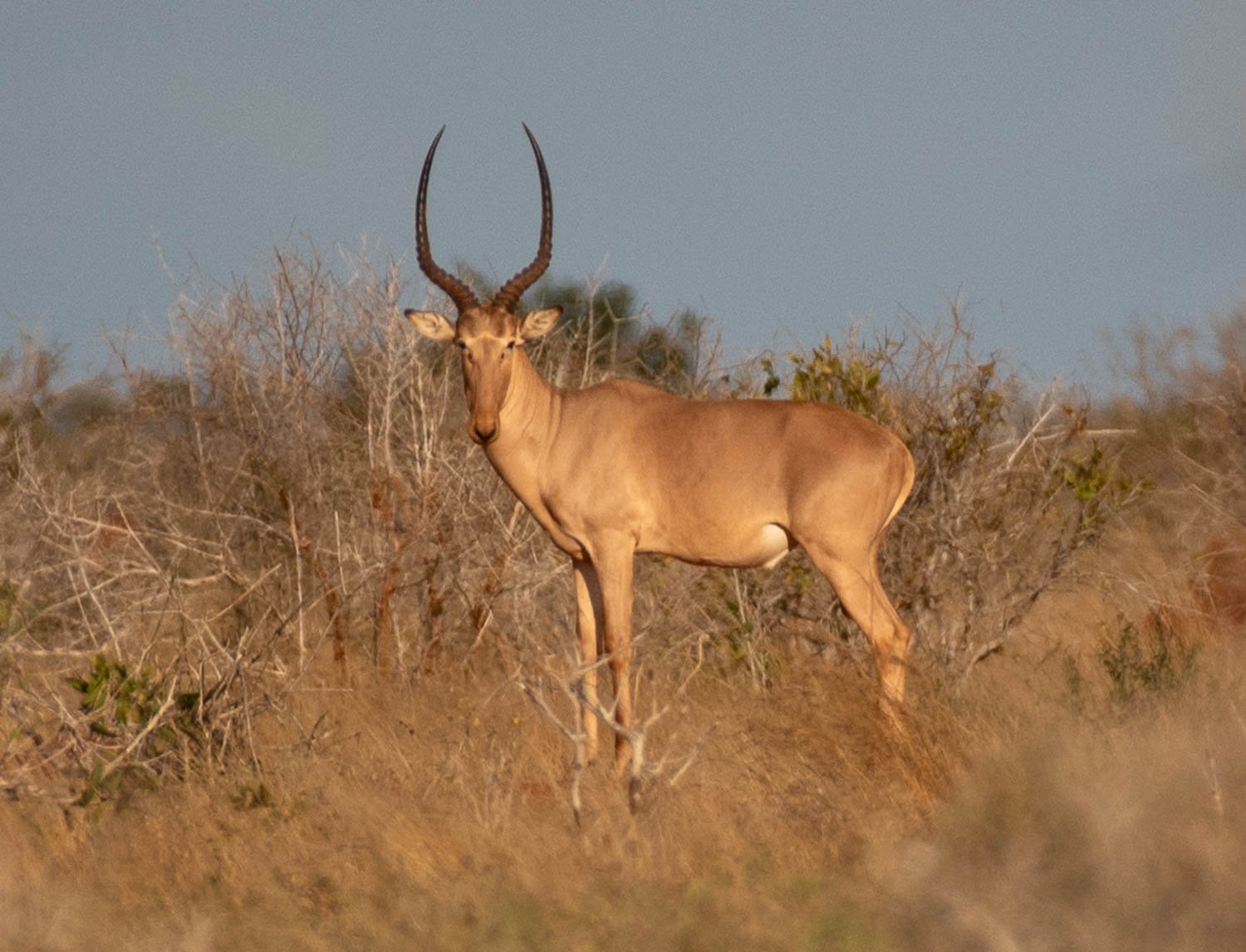
The Tsavo East area is one of the last strongholds for the Hirola, also known as the Hunter’s Hartebeest; some reports say fewer than 500 individuals remain. This part of the country had successfully reintroduced them, but the numbers suffered during the fires and drought of 2020, reducing the population by almost 50%. Seeing them is challenging, but if you know where to look, you can get lucky, as we did with this big male. Notice the unique shape of the horns, unlike any of the true hartebeest. In fact, this one is in its own genus (Beatragus) and very different from the 7 Hartebeest species from across Africa that all fall under the Alcelaphus genus.
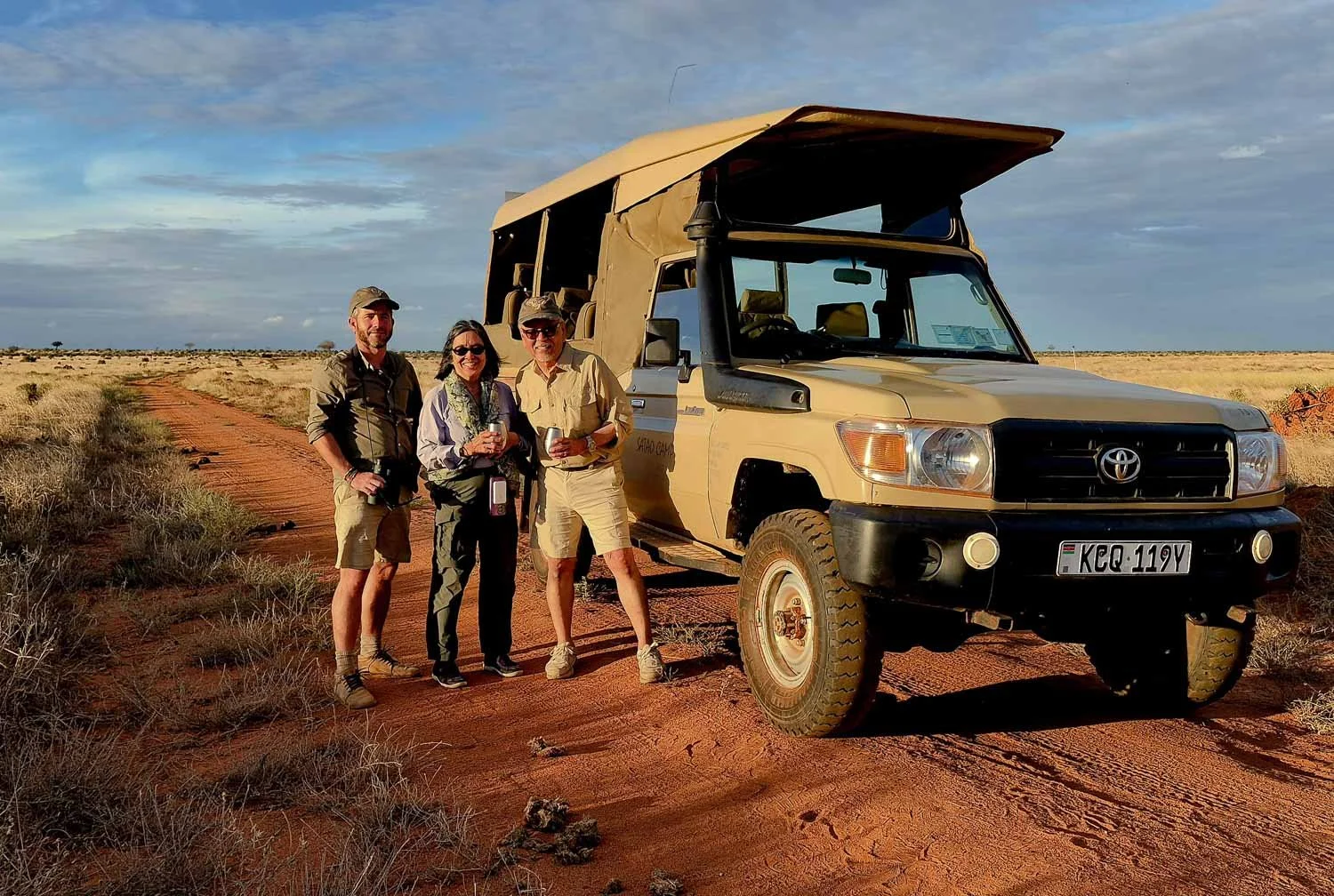
Celebrating our big tuskers and Hirola sighting!
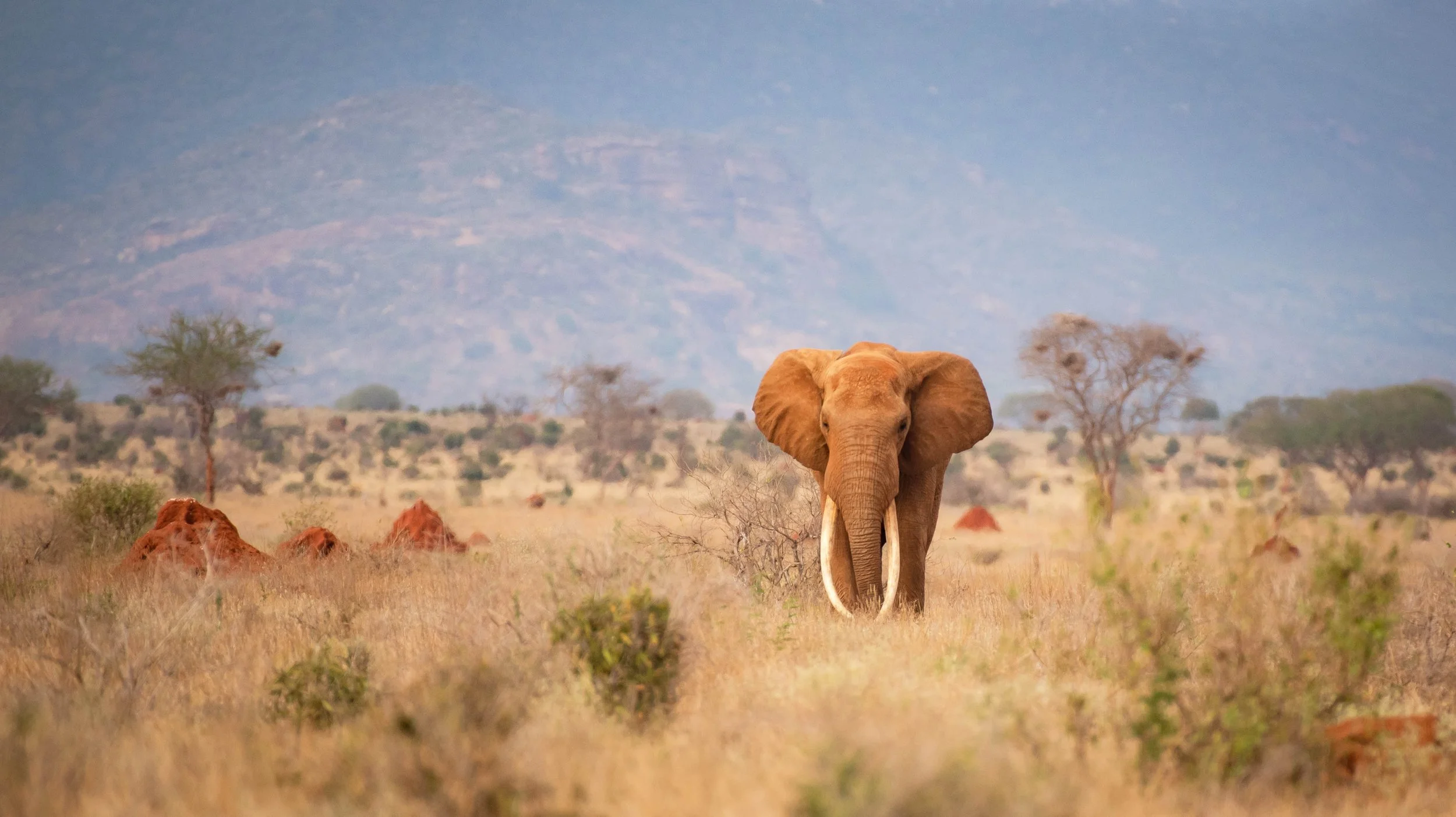
We spotted this incredible specimen in Taita country. What is most amazing about this individual is that he is still fairly young. I have noticed it is not always easy to estimate the size of the ivory because, depending on the angle, how the elephant carries its tusks and the surrounding vegetation, the ivory can appear vastly different in size, as we learnt with this very impressive bull whom we spotted more than once. After viewing some of the Amboseli giants and some of the claims coming from that side that the biggest tuskers in Africa occur there, I would suggest some bulls be considered here, and specifically this one in about 10 years or so. But speaking to people who know this area a lot better than me, there are other ones out there too!
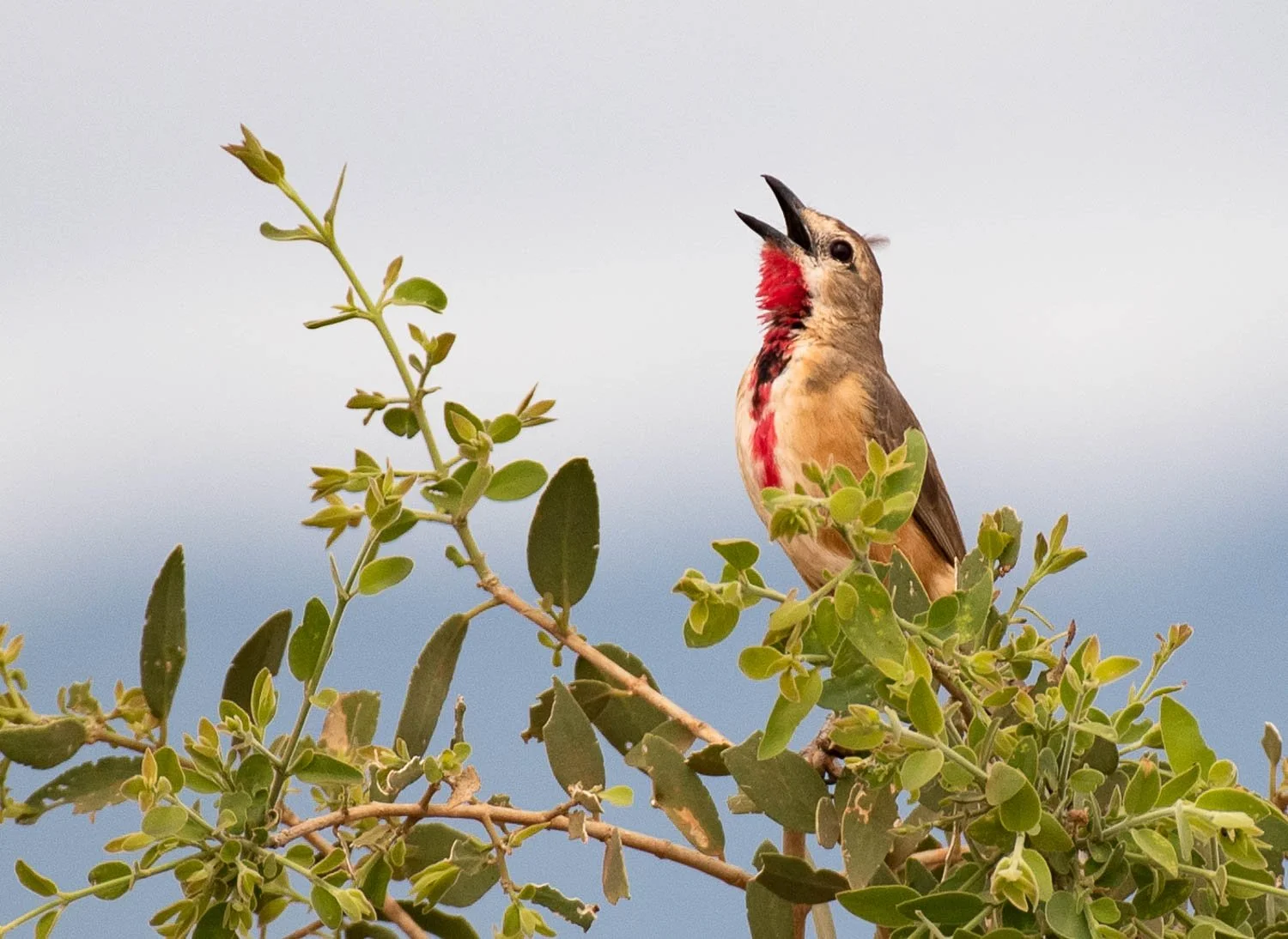
A rosy-patched bush shrike - unlike many of its confiding cousins, this species is rather conspicuous!
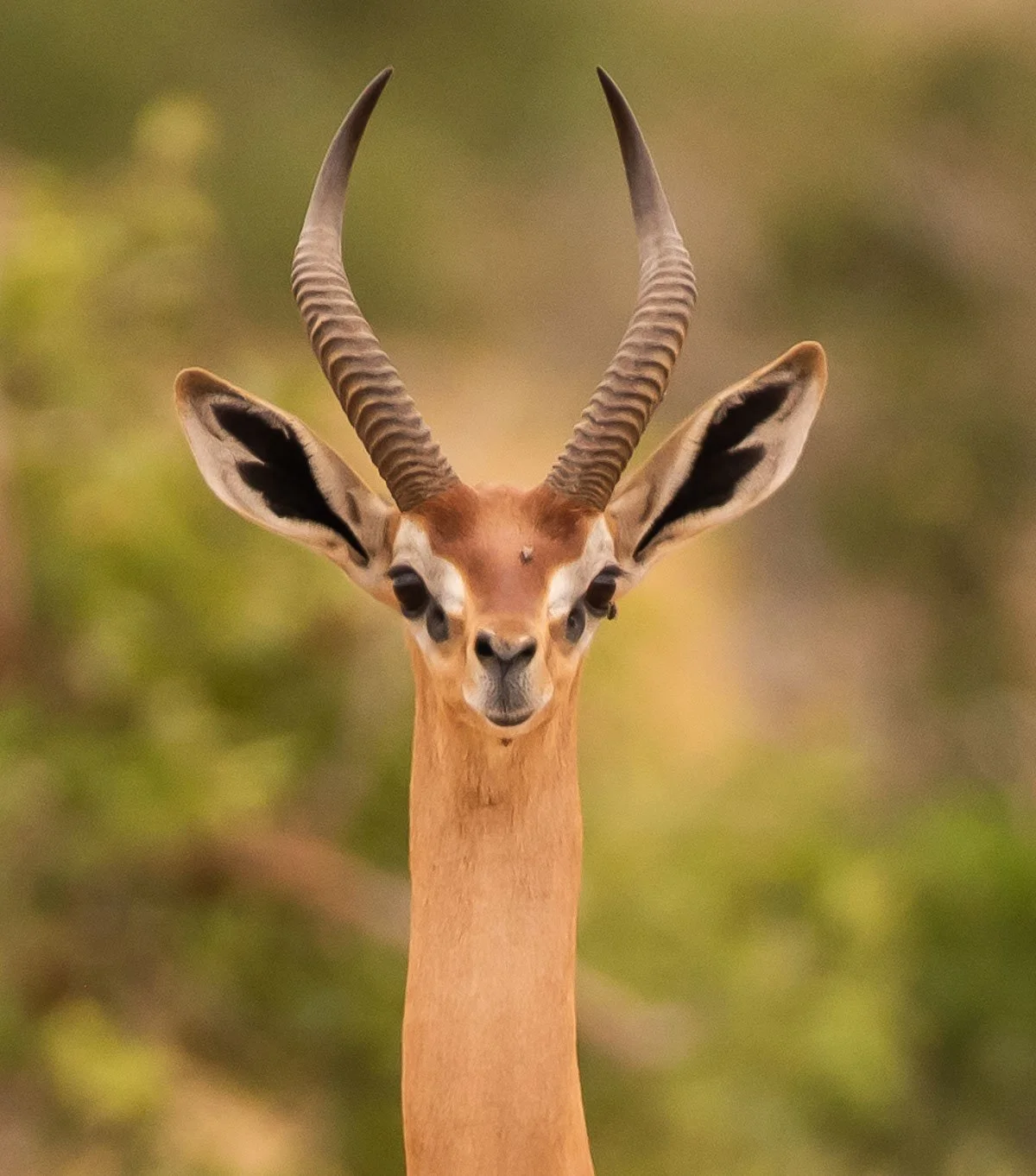
Everything about a Gerenuk is weird. It’s like the Impala’s nerdy cousin - stretched out and awkward.
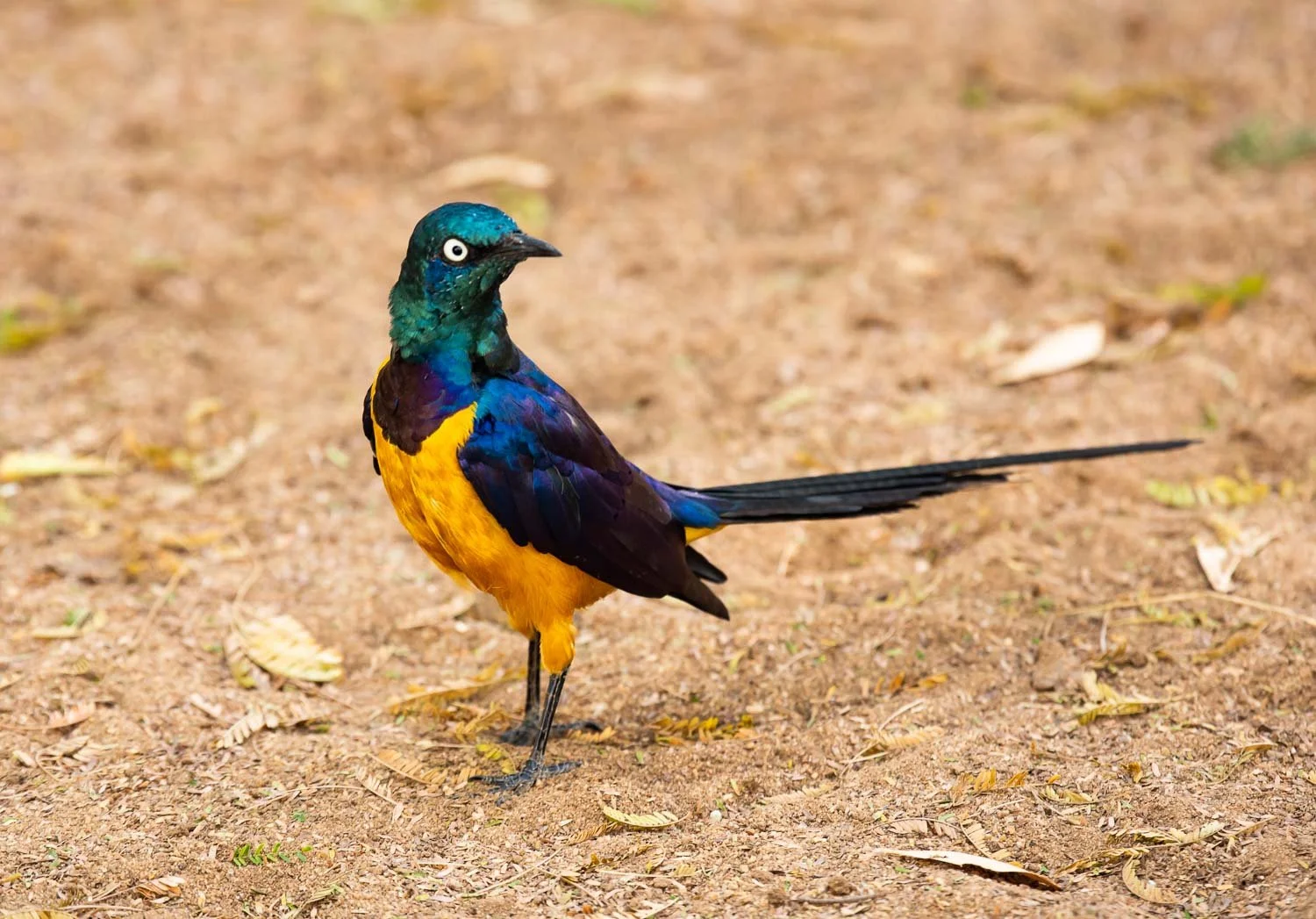
One of the first birds I spotted on arrival in camp was this golden-breasted starling. What a beauty! Glad I snapped this shot because I didn’t see another.
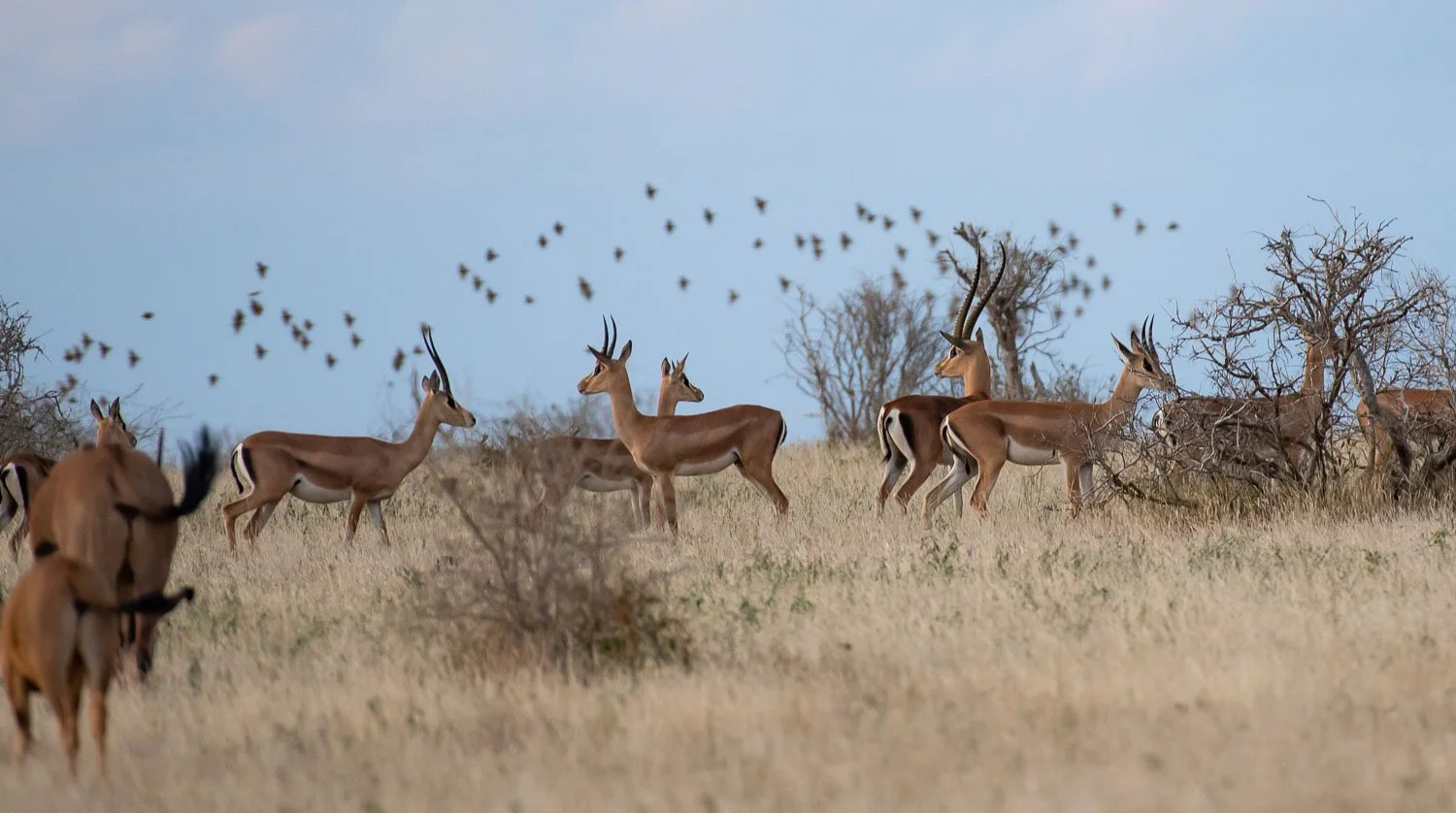
Grant’s gazelles and fringe-eared Oryx while queleas were ever-present in some areas.
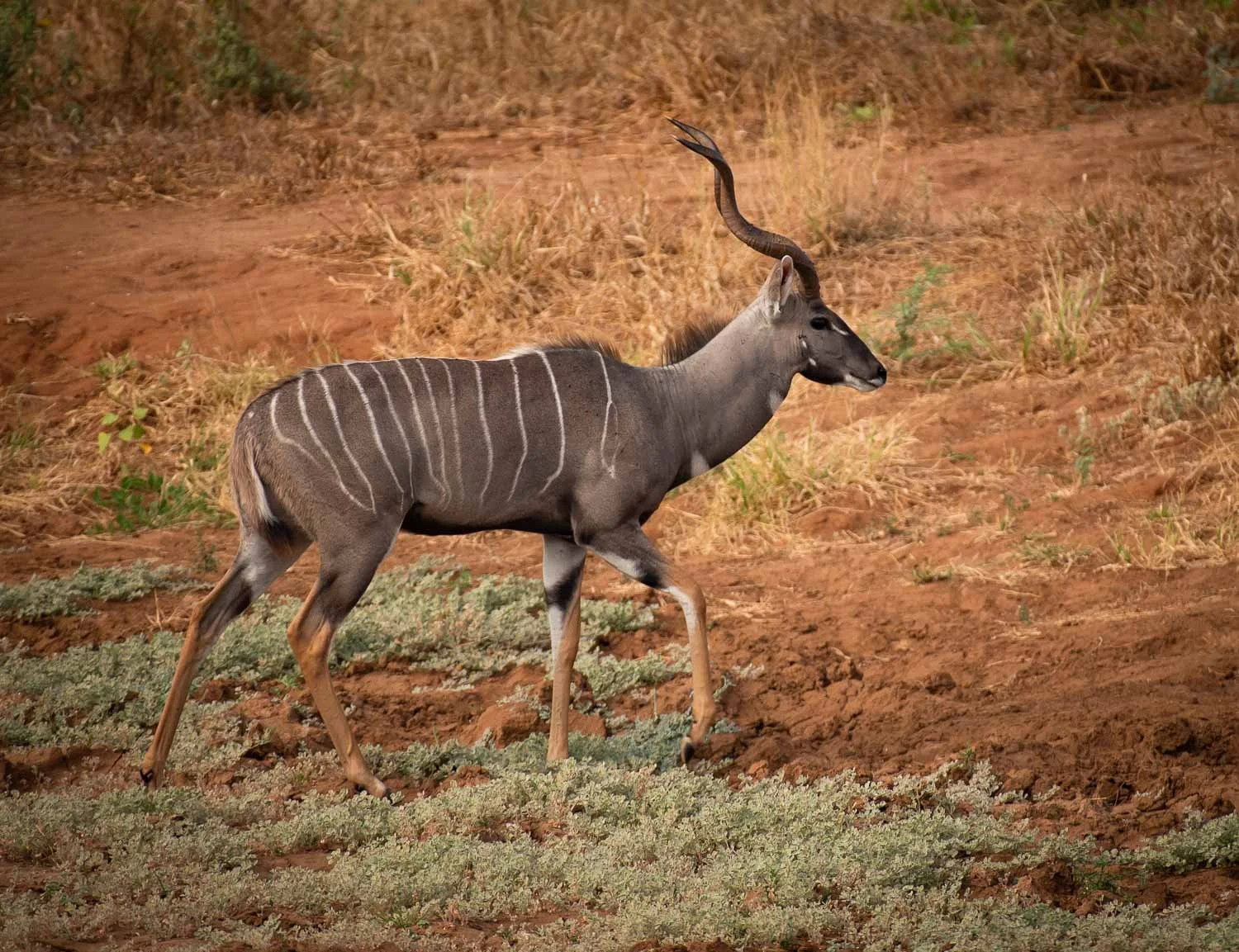
This was a wonderful surprise, our only Lesser Kudu of the trip. They are smaller than their southern counterparts and have more pronounced markings - reminded me of a cross between a Greater Kudu and Nyala.
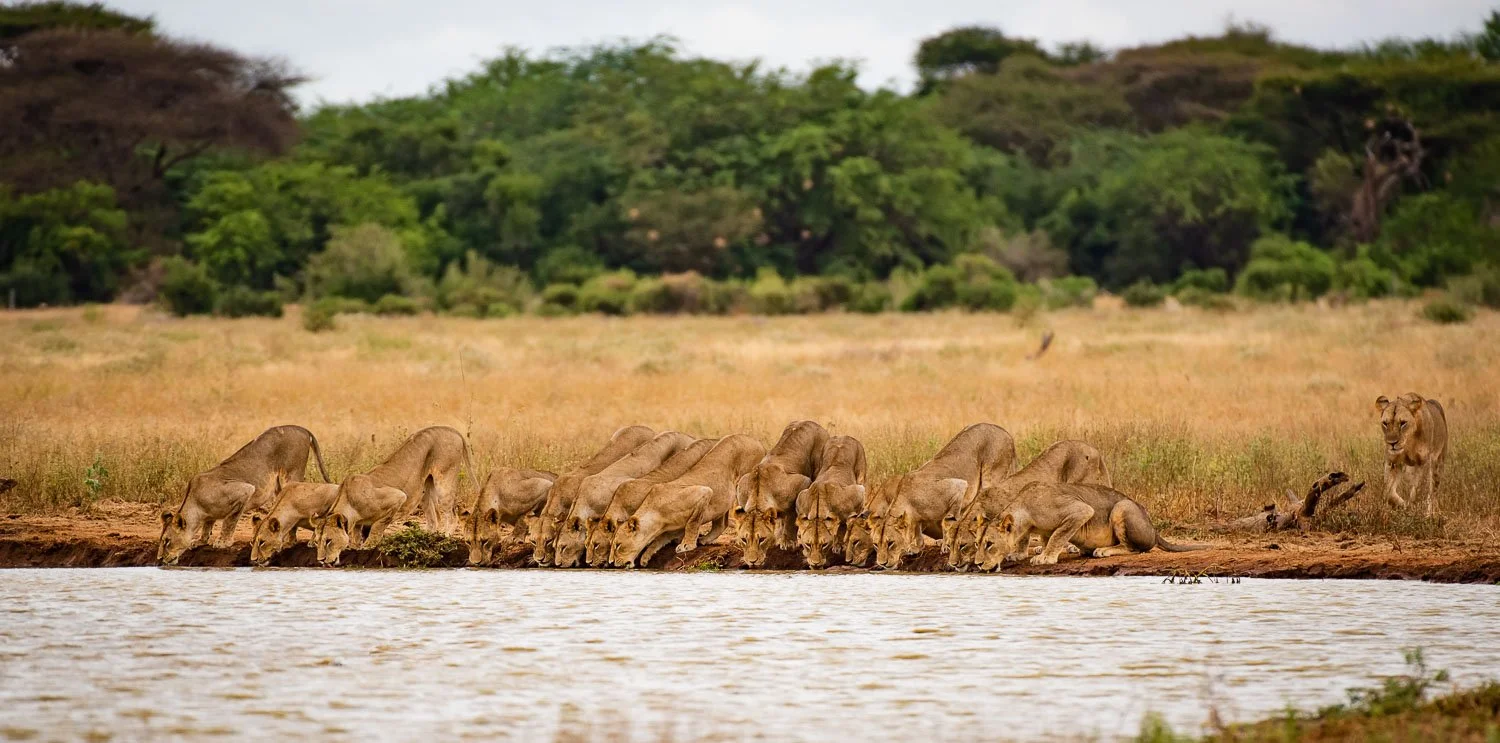
Following on some intel we managed to connect with this “super” pride of lions - they number about 22 with at least 18 being present.
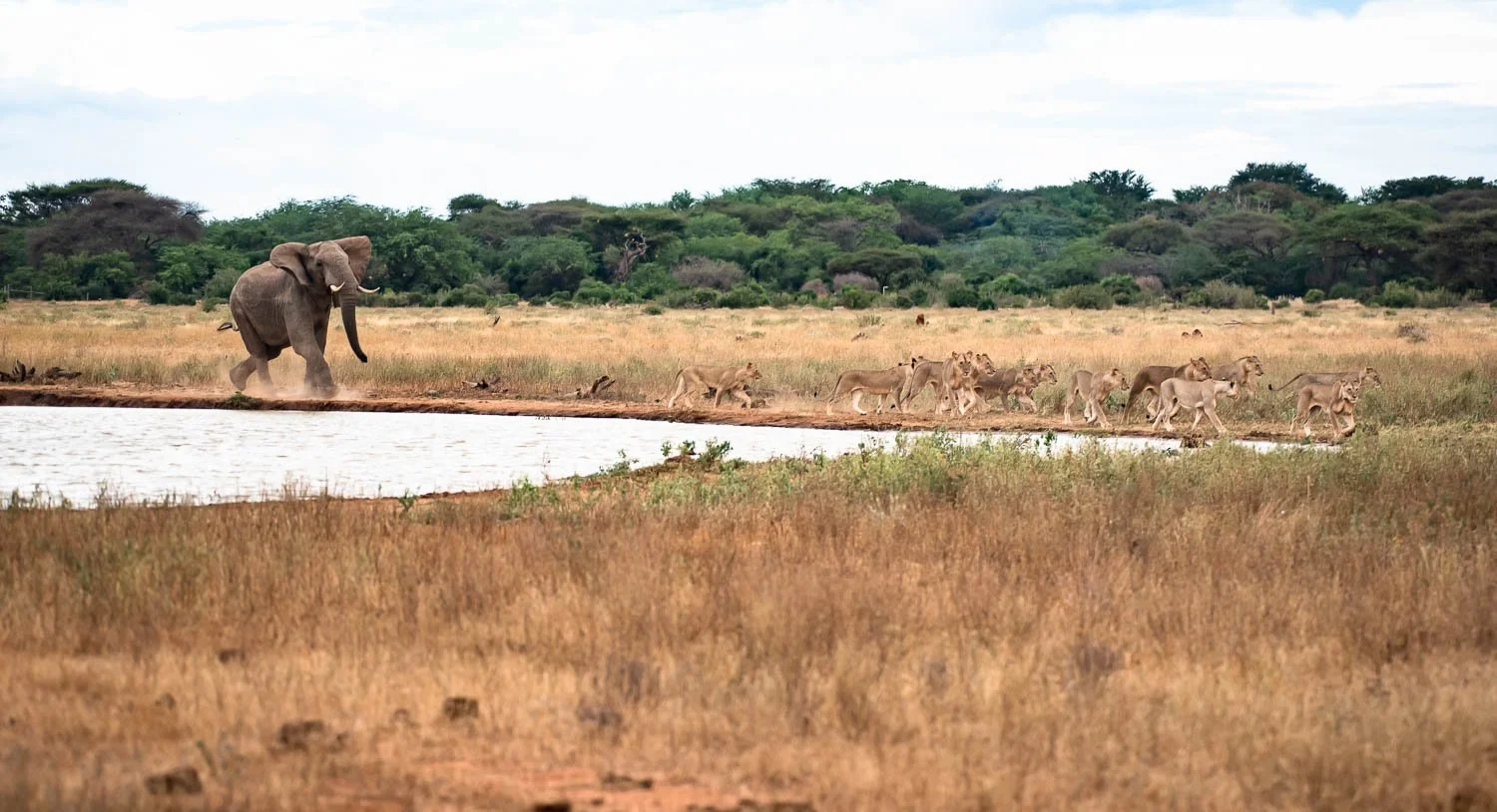
And we were lining up for a perfect shot until this bugger came along!!
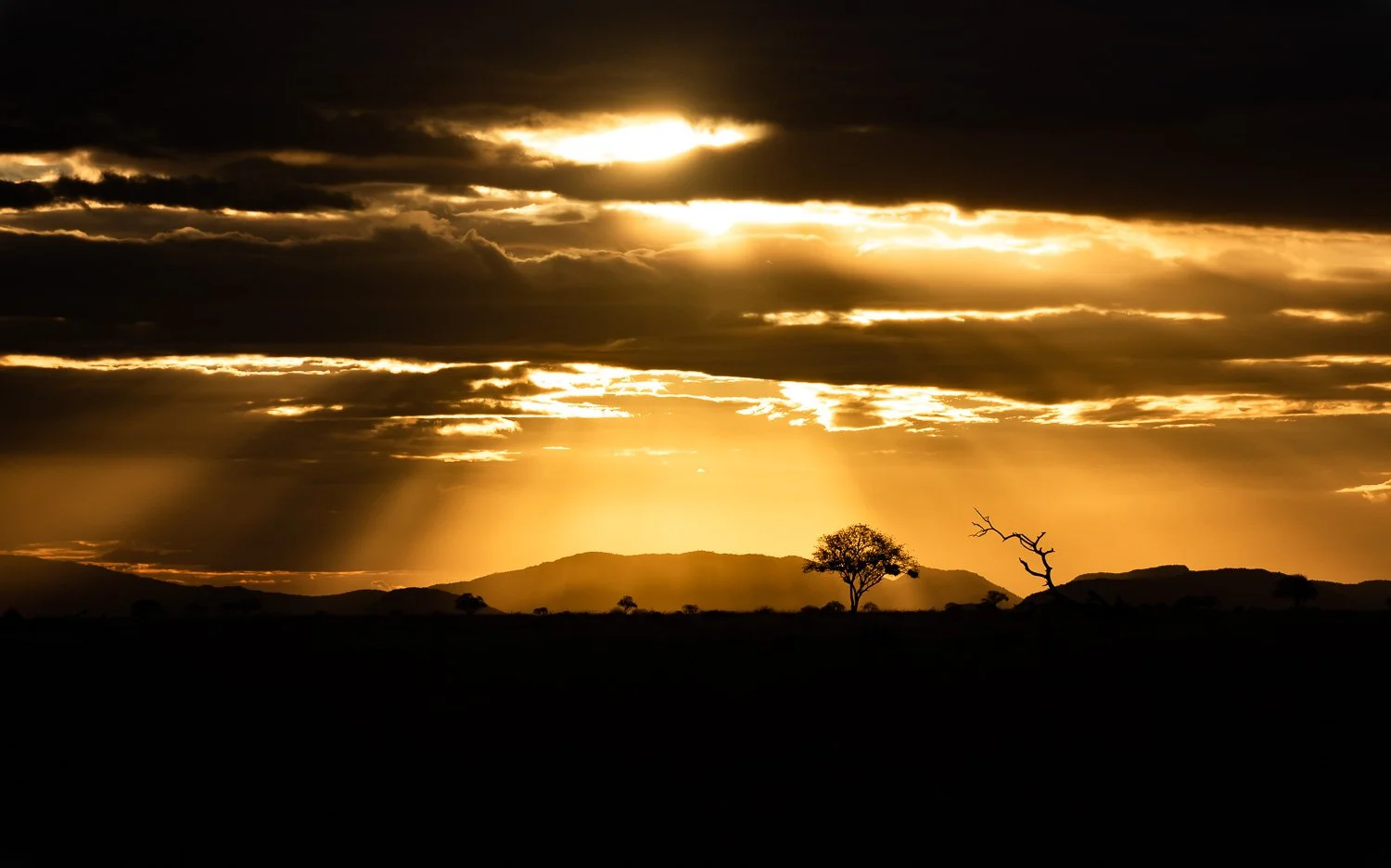
We ended off with a sunset, Dawa in hand!! (vodka + lime + honey + crushed ice, served with a stir stick)…Dawa, being the Swahili word for medicine, hit the spot to round off the last day in the Tsavo area perfectly!
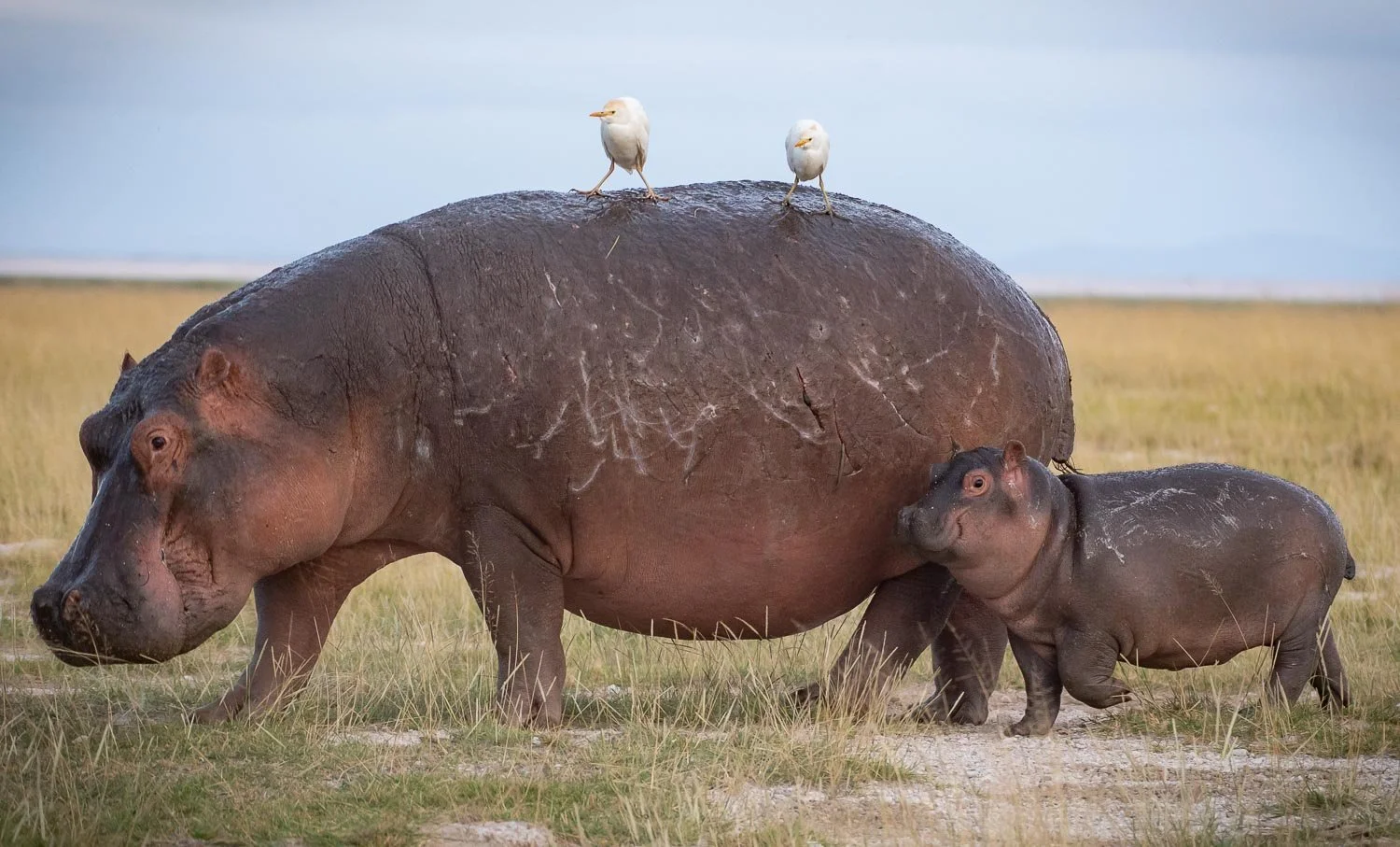
This was a special encounter in the southern parts of Amboseli - mom leading her disciplined youngster back to the safety of the water - all grazed up with injuries, you can appreciate the challenges of hippo life.
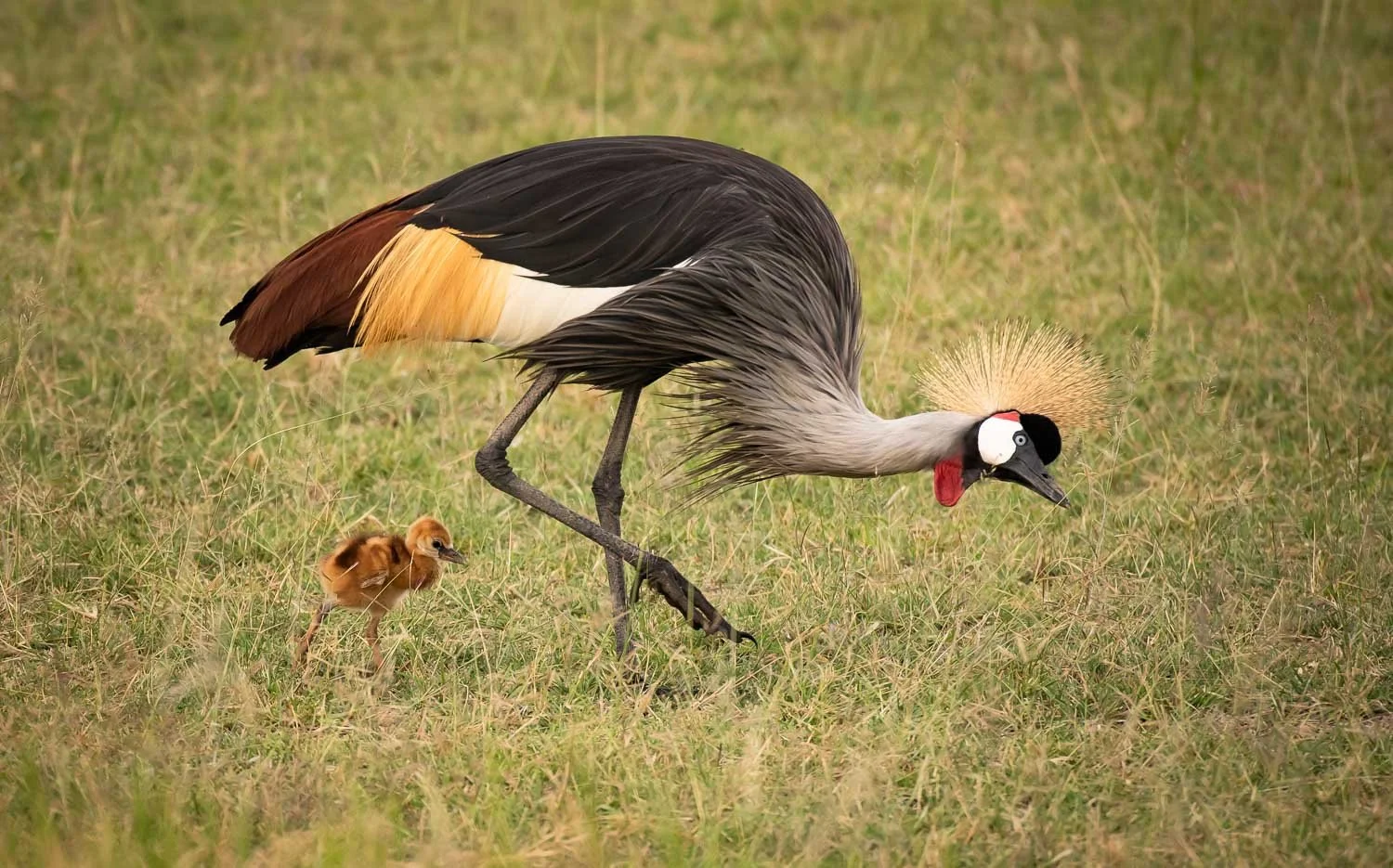
We spotted a grey-crowned crane family with chicks - 3 little ones! This was my best shot as they didn’t want to cooperate
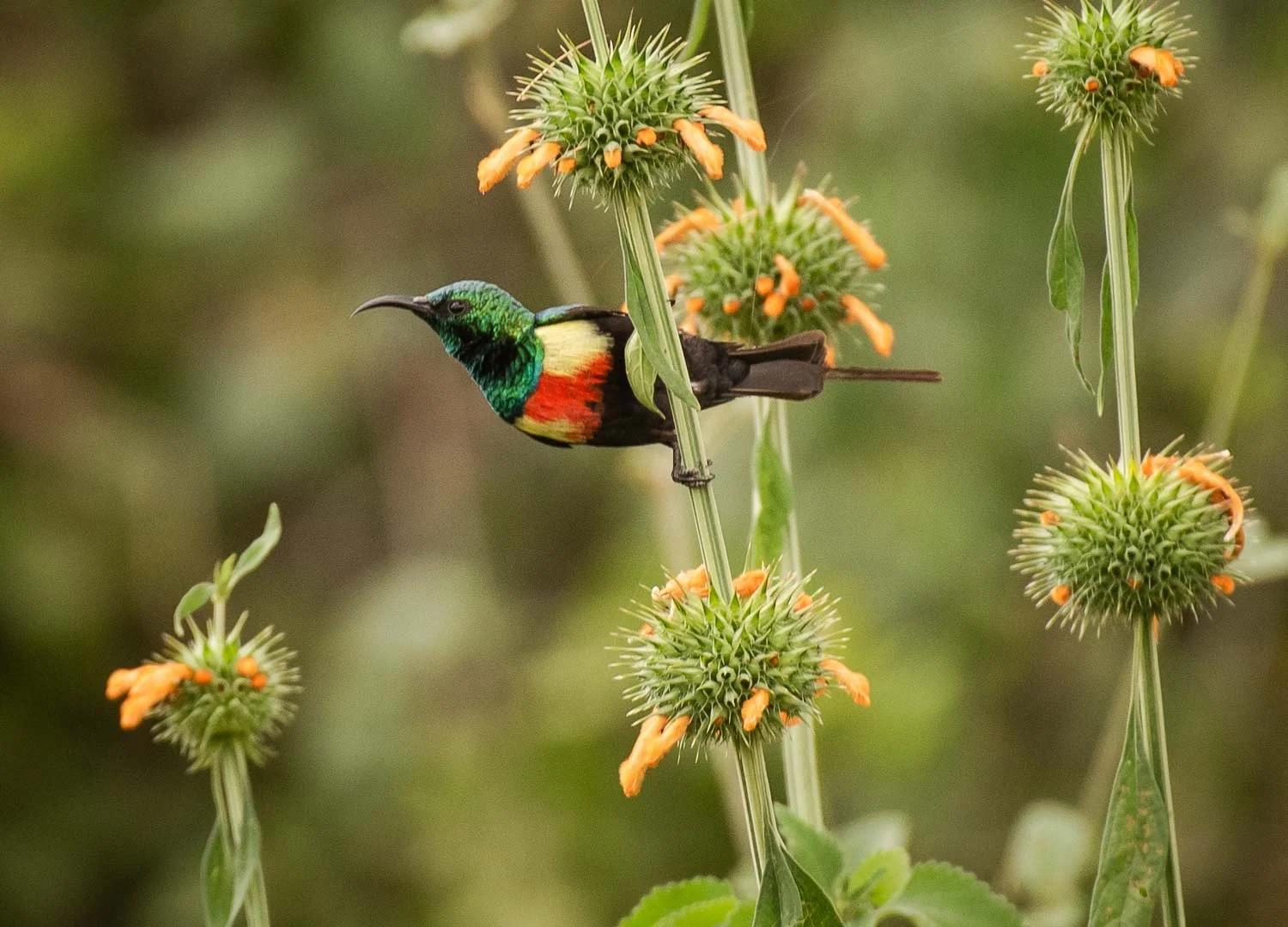
An aptly named “beautiful sunbird” blessed us at Tortilis camp being by far the most common species during our stay.
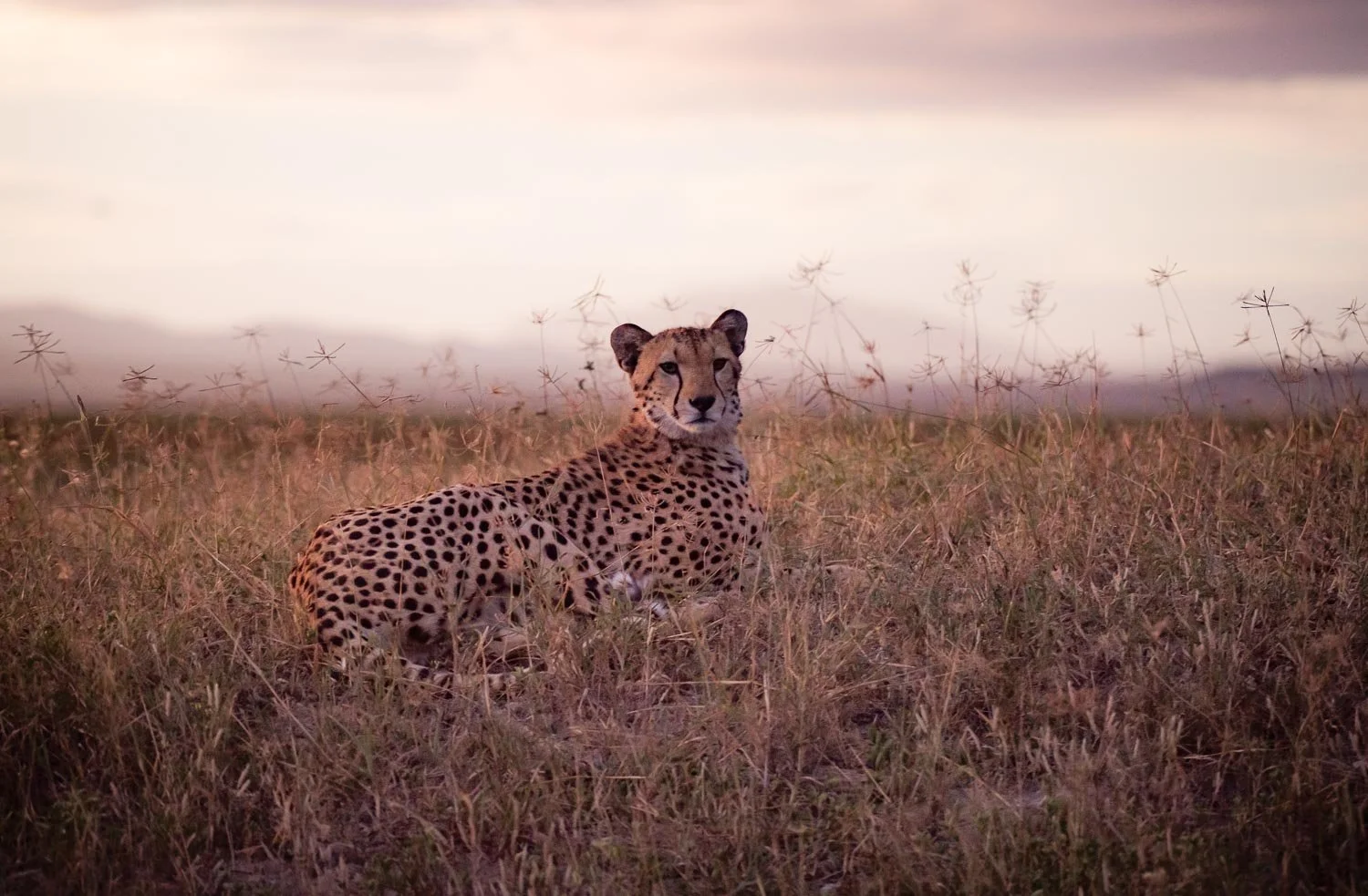
Cheetah are doing well around Amboseli. This female gave us a close encounter before moving off at sunset.
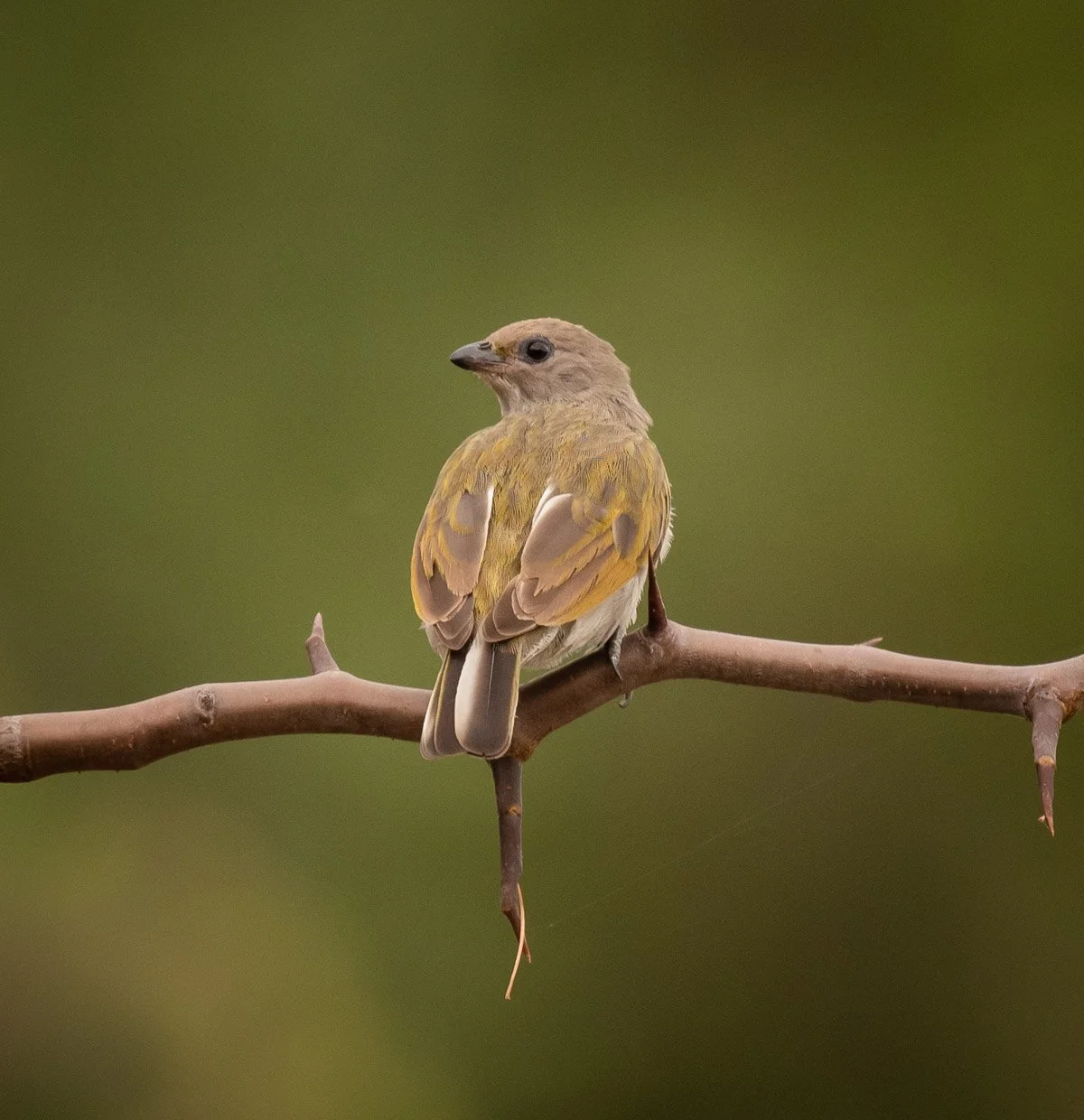
Lesser honeyguides made their presence known and this one was in the vicinity of a black-throated barbet - the honeyguides are known brood parasites of the barbets.
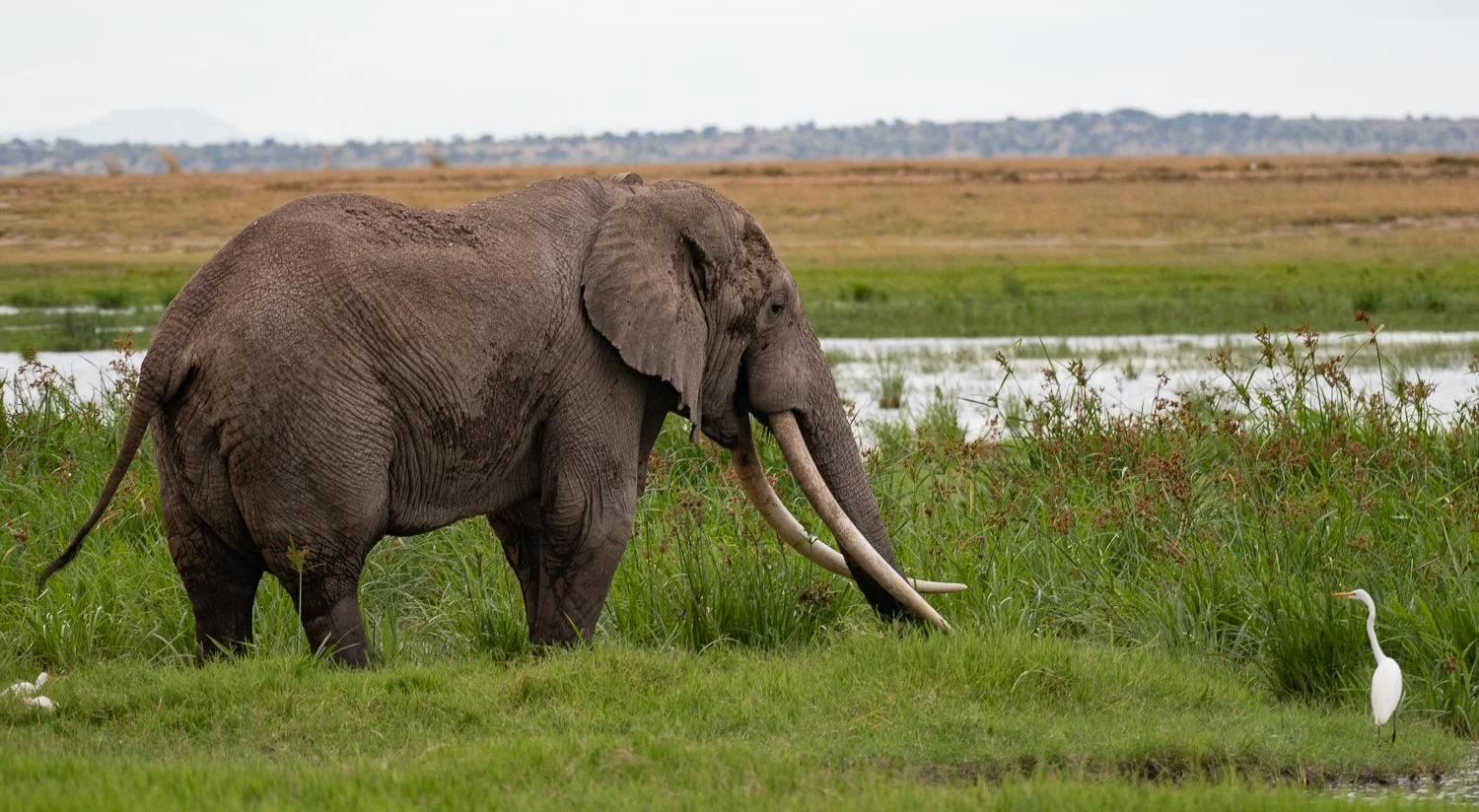
This is a big bull of Amboseli that they call Esau. He was in a bad state some years back when he developed a significant hole in his trunk. It was one of those moments where humans intervened. They put a collar on him to monitor his movements. Many of the guides say he is the biggest tusker in Amboseli, even though others say Tee Jay is. We were blessed with some great viewing of Esau, and although he was deep into the reserve, unbelievably, we got a good view of him from the air! These are two of Africa’s biggest tuskers. Could they be the biggest?
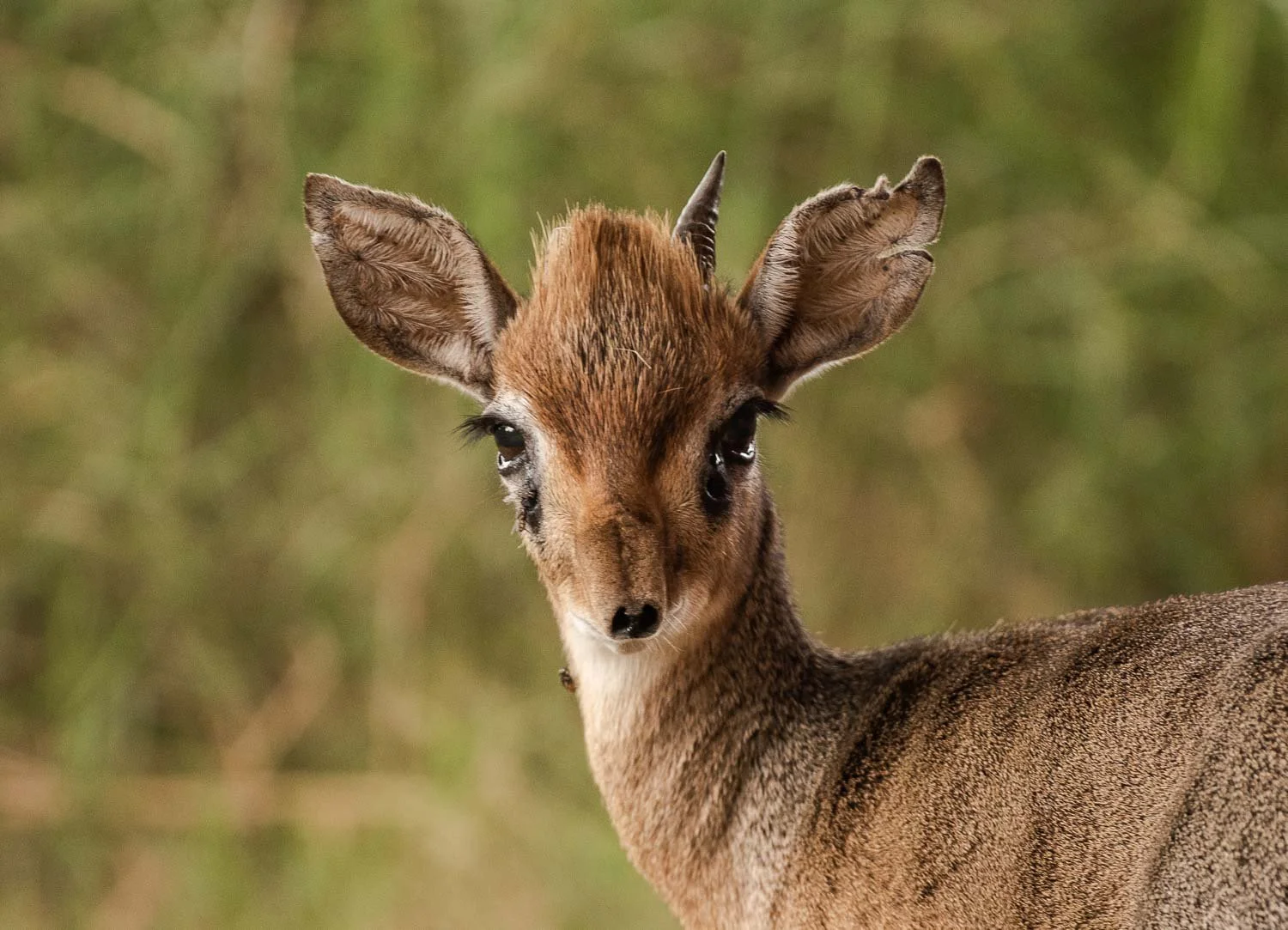
A hardened old warrior - this male Kirk’s Dik-dik looks like he has seen it all. In Tortilis camp, the population is sizeable and we saw many, especially at night.
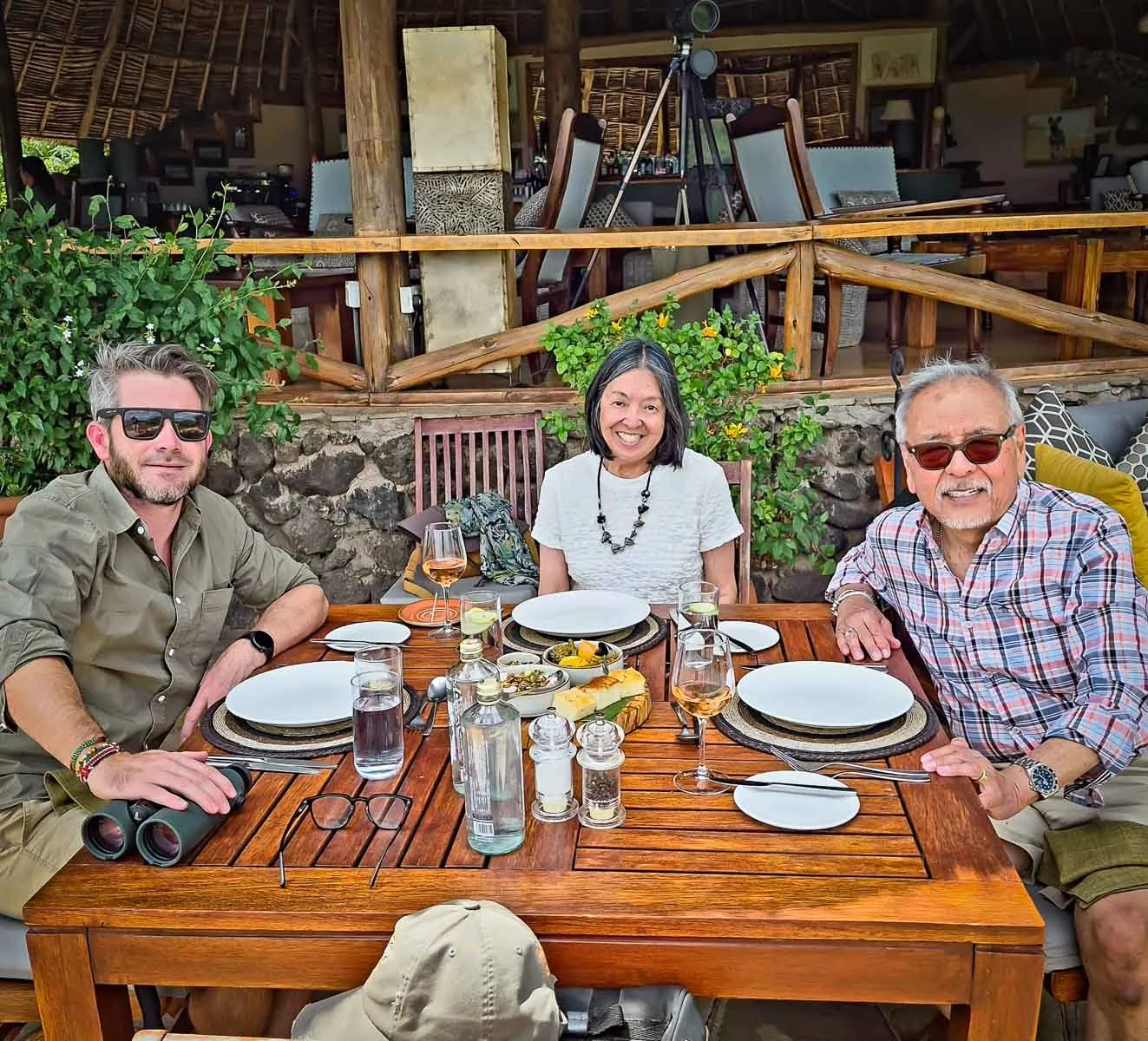
“Roughing it” in Ambsoeli. Elewana Tortilis camp has one of the best views of Kilimanjaro, the cuisine is of the highest standard and the game viewing top!
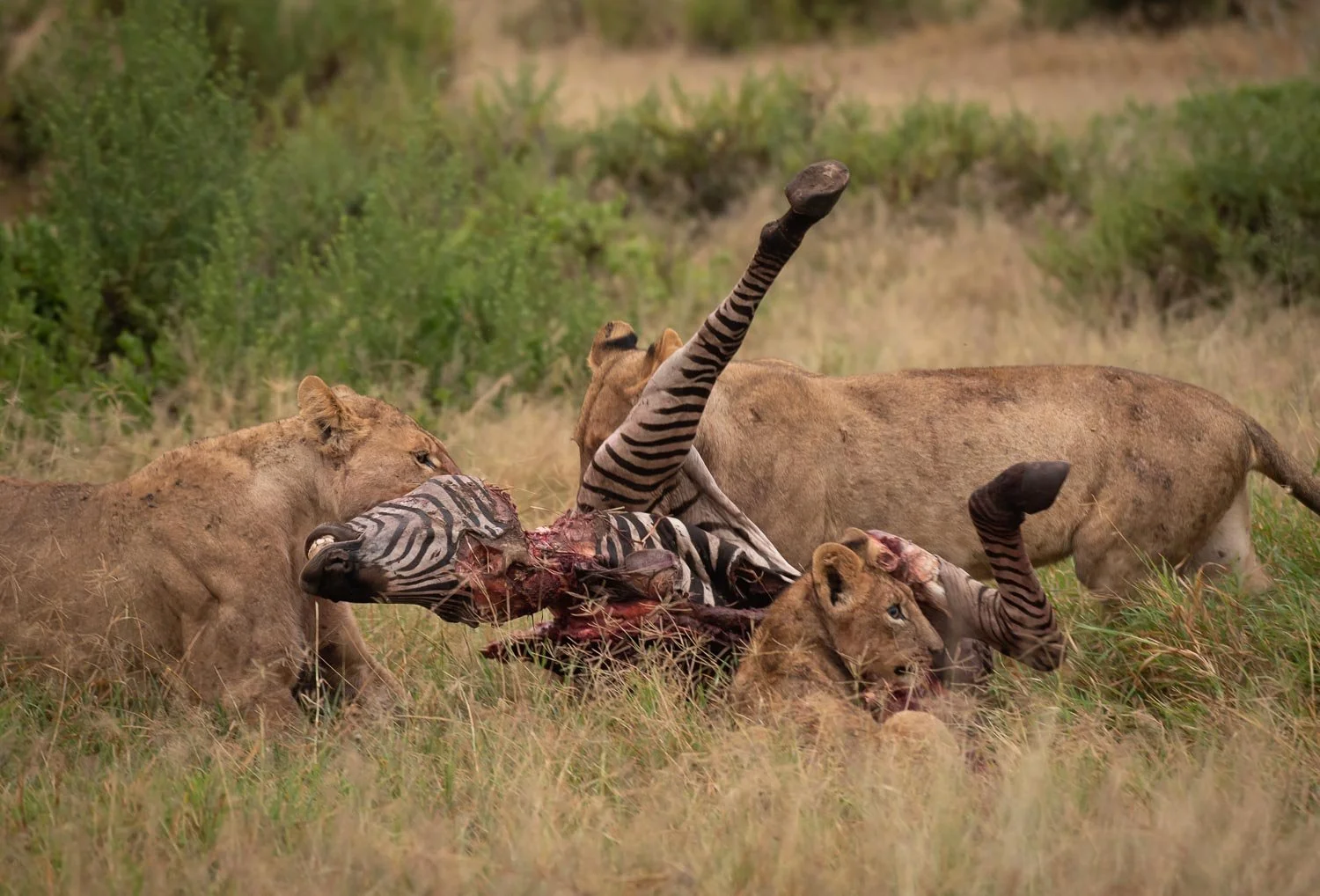
On our last day, the KWS rangers heard commotion during the night and alerted us that lions and hyenas had been fighting. We followed up to find these lions feeding on a freshly killed Zebra with hyenas and jackals in the area!
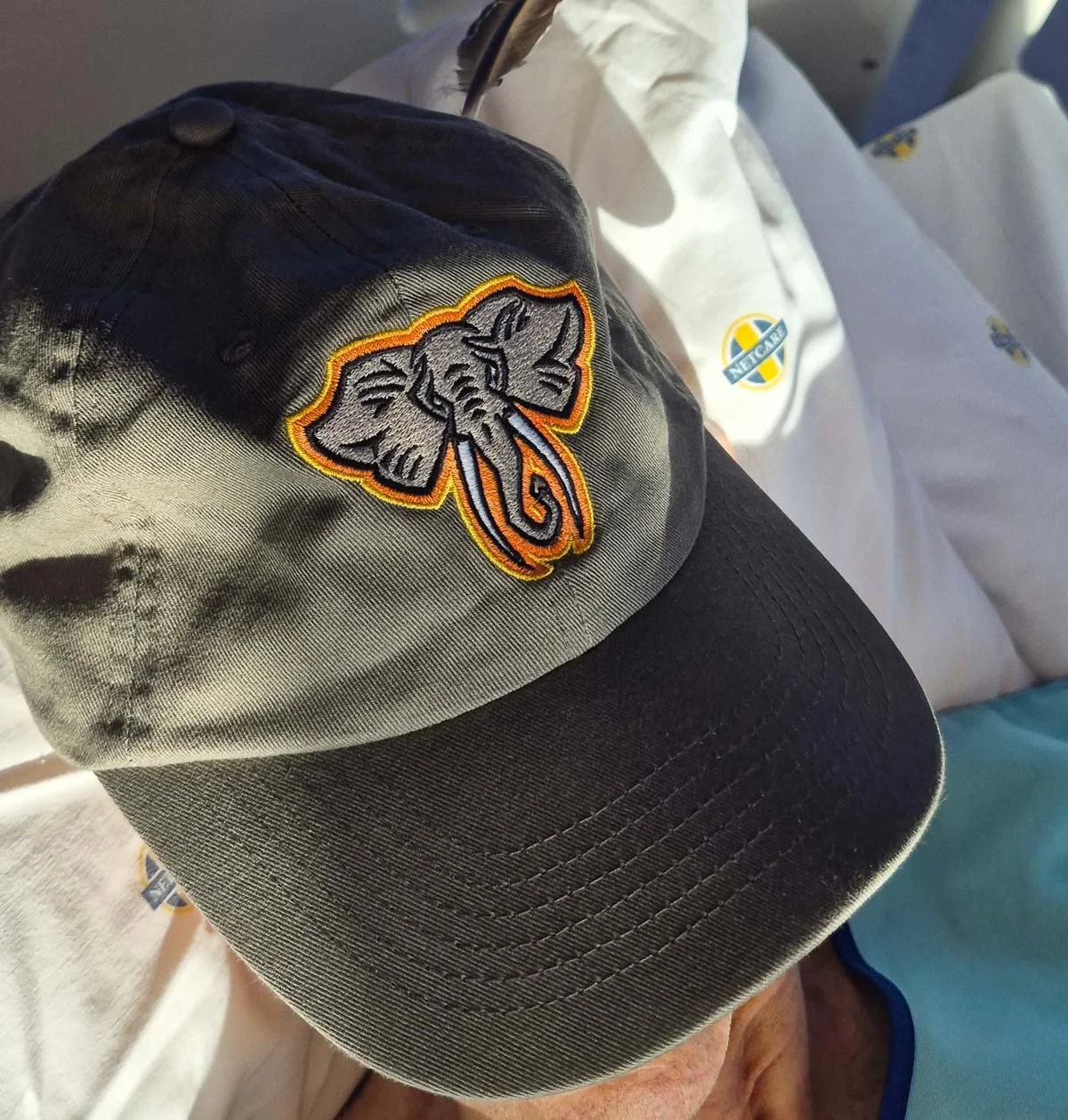
Dick is a master artist widely known for his work across the USA. He designed these caps for the safari which was a great touch! This one I brought back as a gift to my dad, fitting for a legend. I am pleased to say that after 59 days of hell in ICU! My dad is finally out!
